The work
A Hebrew–English website with separate journeys for commercial enquiries and service requests.
Bilingual website & connected workflows
A Hebrew–English website with separate journeys for commercial enquiries and service requests. Service calls connect to Priority; leads follow a separate path to Fireberry.
Internal portfolio draft — new material is pending publication approval.
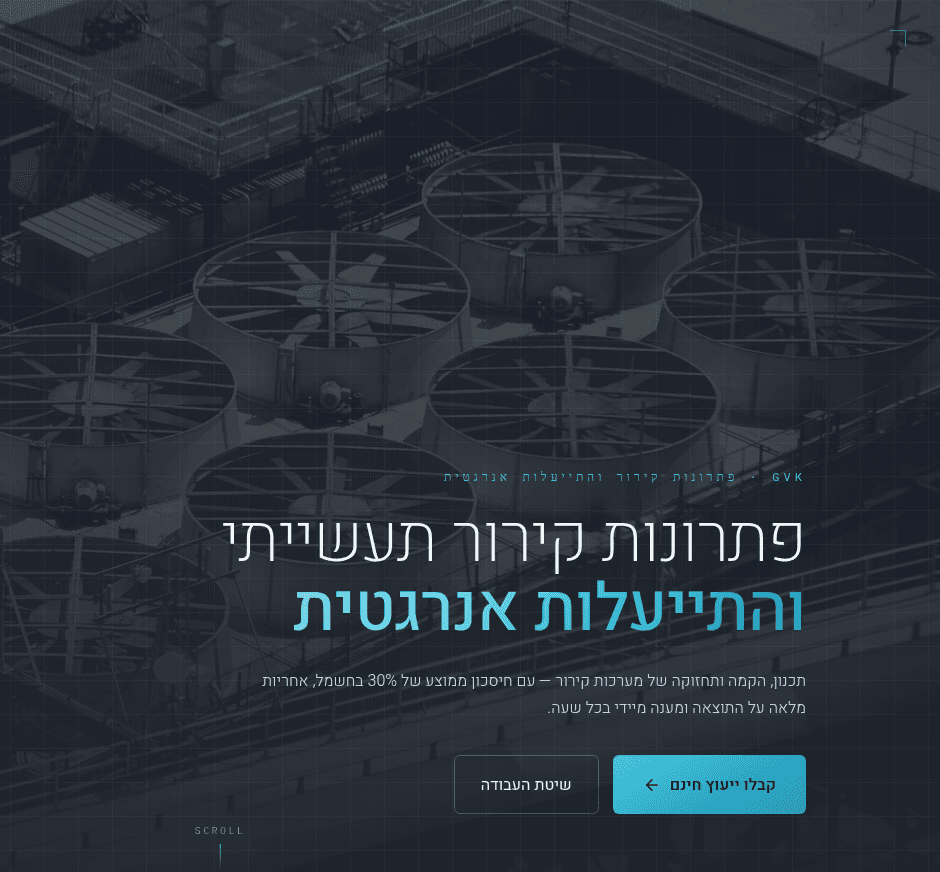
A Hebrew–English website with separate journeys for commercial enquiries and service requests.
Service to Priority. Leads to Fireberry.Discuss a similar projectCase study
Service calls connect to Priority; leads follow a separate path to Fireberry.
A Hebrew–English website with separate journeys for commercial enquiries and service requests.
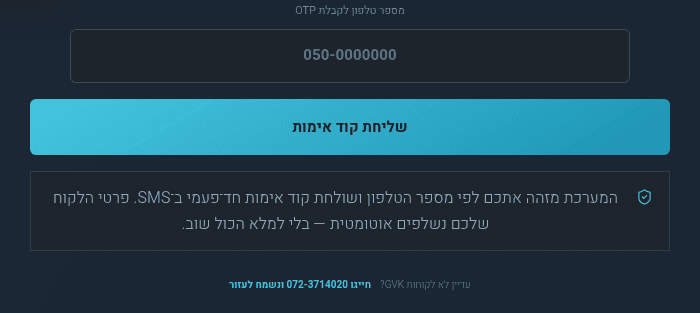
Visitors can explore services and projects or make a commercial enquiry. Service intake begins with phone identification. The integration separates service requests from sales leads, with queueing and duplicate handling for commercial enquiries.
The documentation supports the website and integration implementation, not fresh acceptance of every company workflow. Microsoft 365 connectivity and permissions still need confirmation; SMTP does not establish mailbox or calendar access.
Capabilities
Services, projects and enquiry journeys in Hebrew and English.
Customer-identification entry into a Priority-connected process.
A Fireberry path kept separate from service requests.